Why Dog Gear Breaks in Real-Life Conditions
Jennifer McCarthyMost dog gear isn’t tested the way it’s actually used.
Real life with dogs includes:
-
Wet weather, snow, and freezing temperatures
-
Strong pulling forces and sudden lunges
-
One-handed use while managing a dog
-
Repeated friction against clothing, skin, rocks, and pavement
Many products are only tested in controlled environments. Over time, those conditions expose weak points — and that’s when failures happen.
The Most Common Dog Gear Failure Points
Dog gear rarely fails all at once. It fails slowly, at stress points most people don’t think about.
1. Weak Stitching
Cheap stitching stretches and loosens under repeated load, especially on leashes and pouches that carry weight.
2. Low-Quality Hardware
Plastic clips and low-grade metals can crack, warp, or corrode — especially when dogs pull suddenly or gear gets wet.
3. Poor Zippers
Zippers are one of the first components to fail in outdoor dog gear. Moisture, grit, and cold temperatures quickly expose low-quality zipper systems.
4. Absorbent Materials
Materials that soak up water, mud, or odor degrade faster and become uncomfortable to use — especially in winter or wet environments.
What Makes Dog Gear Truly Durable
Durability isn’t about being “heavy” or “overbuilt.”
It’s about choosing materials and construction methods that handle real-world stress.
TPU Materials for Outdoor Dog Gear
TPU (thermoplastic polyurethane) resists water, odor, and abrasion. Unlike traditional woven fabrics, it doesn’t absorb moisture and stays flexible in cold weather — making it ideal for waterproof dog leashes, pouches, and waste systems.
YKK Zippers
Zippers are mechanical systems, not decoration. High-quality zippers matter when gear is exposed to rain, snow, and dirt. YKK zippers are known for consistent performance and long-term reliability.
Stainless Steel Hardware
For leashes and load-bearing gear, stainless steel hardware provides strength and corrosion resistance that plastic or plated metals can’t match — especially for dogs that pull.
Food-Grade Materials for Bowls & Mats
Any product that touches food or water should be food-grade and safe for daily use.
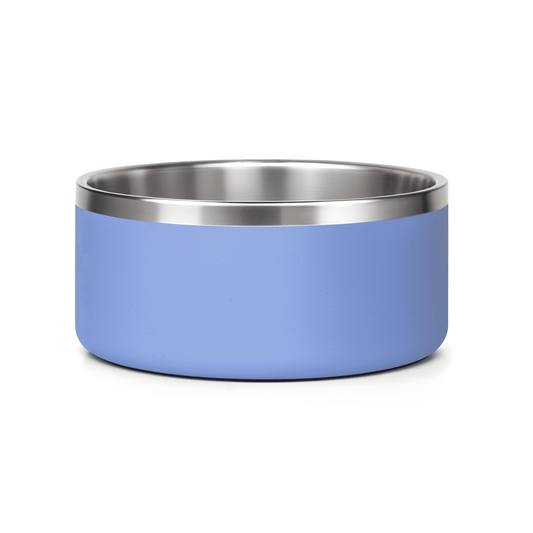
304 stainless steel dog bowls are non-reactive, odor-resistant, and built to last — unlike cheaper alternatives that rust or degrade.
Thicker, more durable placemats also resist curling, sliding, and breakdown over time.
Why “Lightweight” Dog Gear Often Fails Faster
Ultra-thin dog gear is often marketed as minimalist or sleek — but thin materials usually mean:
-
Faster wear at contact points
-
Reduced load capacity
-
Poor performance in wet or cold conditions
Durable dog gear often has intentional thickness and structure to withstand repeated use.
How to Choose Durable Dog Gear Before You Buy
Instead of asking “Does this look good?”, ask:
-
What parts of this gear take the most stress?
-
Is the hardware strong enough for a pulling dog?
-
What happens when this gets wet, muddy, or frozen?
-
Are food and water contact materials food-grade?
-
Would this still function after hundreds of uses?
If a brand can’t clearly answer those questions, the gear likely wasn’t designed for real-world use.
Durable Dog Gear Is Designed for Reality — Not Perfection
Dogs don’t live in pristine environments.
The best dog gear isn’t the prettiest on a shelf — it’s the gear that still works:
-
After rain, snow, and dust
-
After being dropped, dragged, and used daily
-
When you only have one free hand
-
When your dog pulls harder than expected
Durability doesn’t happen by accident.
It’s designed — intentionally — from the inside out.
Once you’ve used dog gear built for real-world conditions, it’s hard to go back.
If you want to explore dog gear designed for real-world durability — not just aesthetics — you can learn more about our approach at Wolf Woman Essentials.